
- Home /
- Cookware
Longfei Aluminum is feasible and reliable aluminum deep-processing solutions manufacturer

Main Uses
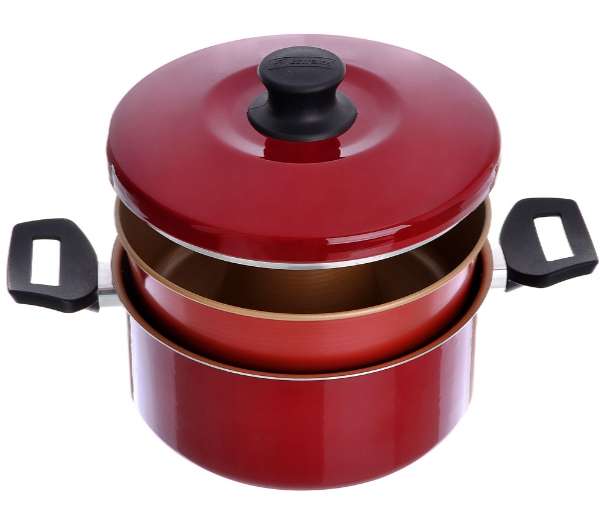
- Cookware: Aluminum or aluminum alloy is widely used as the main body material or interlayer in non-stick pans, pressure Cooker, stockpots, milk pans, woks, etc.
- Cooking accessories: Steamer interlayers, baking trays, oven liners, cake molds, etc.
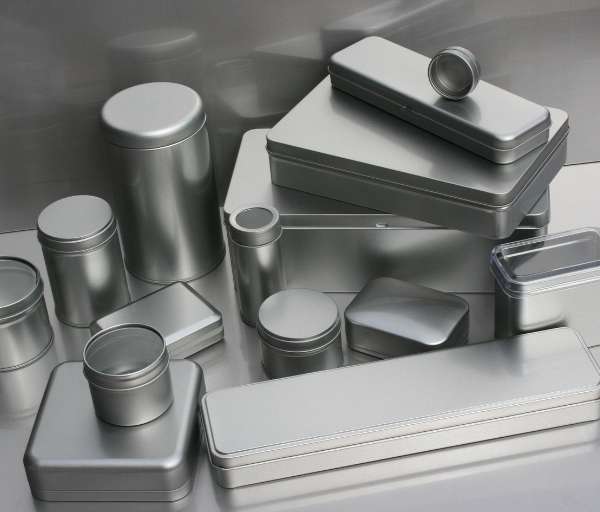
- Tableware & small kitchen tools: Aluminum lunch boxes, aluminum foil (kitchen foil/”tin foil”), aluminum kettles, coffee pots (moka pots are often made of aluminum), etc.
Why Cookware Loves Aluminum
The advantages are very obvious:
- Extremely fast and uniform heat conduction (thermal conductivity is about 3× that of iron and 15× that of stainless steel), resulting in minimal temperature difference between the bottom and walls—less likely to burn food.
- Lightweight (density is only 1/3 that of iron or stainless steel), easy to handle, especially for large-diameter woks.
- Excellent ductility, easy to stretch, stamp, and die-cast, leading to low manufacturing costs.
- Inexpensive and high cost-performance ratio.
Common Forms of Aluminum in Cookware
- Pure aluminum pots
Very common in the past, now relatively rare. They offer the best heat conduction but low hardness, easy deformation, and the surface tends to blacken. - Hard-anodized aluminum (hard anodized)
The surface undergoes anodizing treatment to form a hard aluminum oxide layer, greatly increasing hardness, wear resistance, and corrosion resistance. Usually dark gray or champagne in color (e.g., Supor hard-anodized pots in China, Anolon and Circulon abroad). - Aluminum alloy + surface coating (mainstream non-stick pans) Aluminum alloy base with PTFE (Teflon) or ceramic coating sprayed on the surface—the most common form of non-stick pans today (e.g., Supor, Zwilling, GreenPan, T-fal, etc.).
- Composite-bottom / multi-layer clad aluminum pots
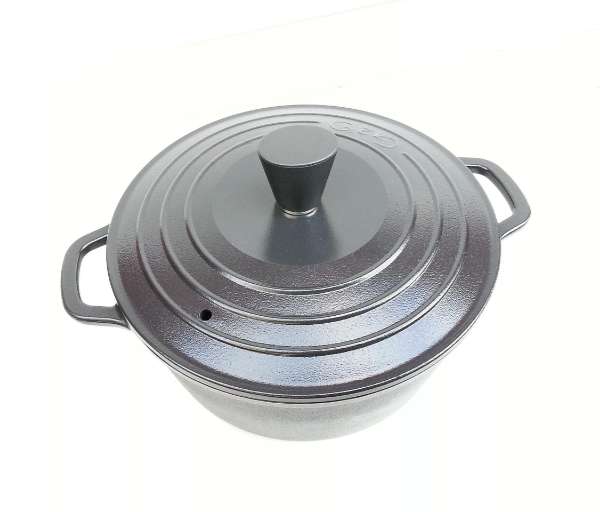
A layer of stainless steel or steel is clad to the bottom to make the pan compatible with induction hobs (e.g., steel-aluminum-steel three-layer composite bottom). - Die-cast aluminum pots
Formed by die-casting process, allowing wall thickness of 4–6 mm or more for better heat retention. Common in high-end non-stick lines (e.g., Chinese brands Chudakou, Eisin, ASD’s premium series).